

Yes, catfish is generally considered halal because it is a true fish. Fresh and plain frozen catfish are halal-friendly. However, Muslims should check breaded, seasoned, or restaurant-prepared catfish for non-halal ingredients, alcohol-based marinades, or cross-contamination.
Is catfish halal? It’s a question many Muslims ask when shopping for seafood or ordering at restaurants in the United States and United Kingdom. Catfish is one of the most popular freshwater fish in America and is commonly sold in supermarkets, seafood markets, and restaurants. Whether you’re buying fresh fillets, frozen catfish, or Southern-style fried catfish. It’s important to understand what makes a product halal—and when extra caution is needed.
The fish itself is generally considered halal, but modern food processing can make the answer more complicated. Breading may contain questionable ingredients, marinades sometimes include cooking wine or alcohol-based flavoring’s, and restaurant kitchens often prepare halal and non-halal foods using the same equipment.
🧠 Related Post: Is Tuna Halal or Haram?
Why Do Muslims Ask If Catfish Is Halal?
If you buy a whole fresh catfish from a fish market, there is usually little confusion. The questions begin once the fish has been processed or prepared.
For example, you might come across:
- Breaded frozen catfish
- Southern fried catfish
- Cajun-seasoned catfish
- Catfish nuggets
- Restaurant fish baskets
- Ready-to-cook marinated fillets
In these cases, the concern is no longer the fish itself but the ingredients added during processing or cooking.
This is why Muslims frequently search:
- Is catfish halal?
- Is fried catfish halal?
- Can Muslims eat catfish?
- Is frozen catfish halal?
- Is restaurant catfish halal?
What Is Catfish?
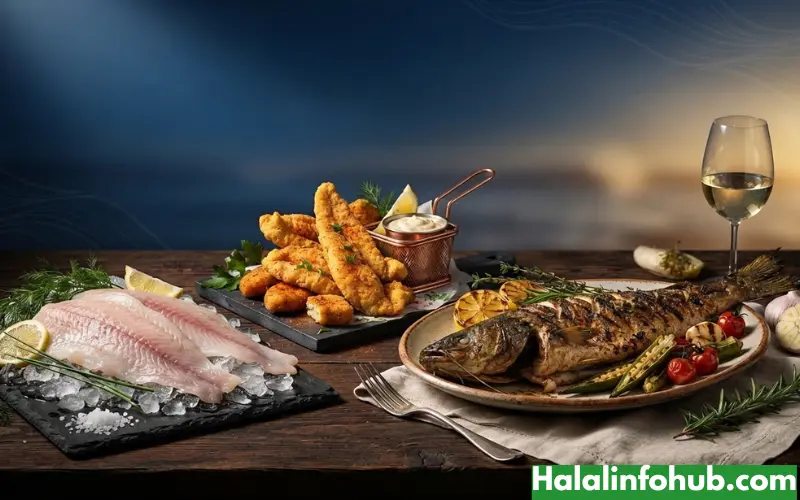
Catfish is a freshwater fish known for the whisker-like barbels around its mouth, which resemble a cat’s whiskers.
It is popular because it is:
- High in protein
- Mild in flavour
- Affordable
- Easy to cook
- Widely available throughout the USA and UK
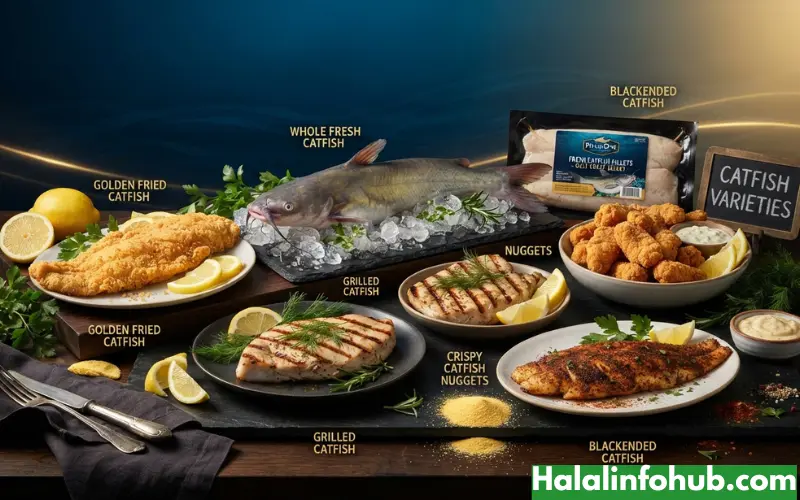
Catfish is commonly sold as:
- Fresh fillets
- Frozen fillets
- Breaded fillets
- Catfish nuggets
- Smoked catfish
- Restaurant meals
Because it is a true fish, it falls under the Islamic rulings that apply to fish rather than land animals.
Is Catfish Halal?
For the vast majority of Muslims, the answer is yes.
Catfish is generally considered halal because it is a fish, and fish has a different ruling from animals such as chicken, beef, or lamb. It does not require halal slaughter (zabiha), which makes fresh catfish a permissible choice for many Muslims.
However, this general ruling applies to the fish itself. Once catfish is breaded, seasoned, marinated, or served with sauces, Muslims should check the additional ingredients before assuming the entire meal is halal.
Islamic Views on Catfish

Although the major Islamic schools differ on some types of seafood, catfish is generally accepted as halal.
Hanafi School
The Hanafi school generally permits fish, and catfish is recognised as a fish. Therefore, it is generally considered halal.
Shafi’i School
The Shafi’i school broadly permits seafood, including catfish.
Maliki School
The Maliki school also considers catfish halal as part of its broad view on seafood.
Hanbali School
The Hanbali school generally permits fish and seafood, including catfish.
Ja’fari (Shia) School
Jafari school fish with scales are generally considered halal. There is scholarly discussion regarding catfish because many species have very small or absent visible scales. Muslims who follow the Jafari school often consult their maria’ (religious authority) for guidance on catfish specifically, as opinions and rulings may differ.
Islamic School Comparison
| School | Catfish Halal? | Notes |
| Hanafi | ✅ Generally Yes | Catfish is considered a fish. |
| Shafi’i | ✅ Yes | Seafood is generally permissible. |
| Maliki | ✅ Yes | Catfish is halal. |
| Hanbali | ✅ Yes | Fish are generally permissible. |
| Ja’fari (Shia) | ⚠ Consult Your Marja’ | Views may differ because of the scale requirement. |
Fresh vs Processed Catfish
catfish and processed catfish are not always the same from a halal perspective.
Fresh Catfish
Usually contains:
- Catfish only
Generally halal.
Frozen Plain Catfish
Usually contains:
- Catfish
- Water (sometimes)
Generally halal.
Breaded Catfish
May contain:
- Breadcrumbs
- Flavourings
- Preservatives
- Emulsifiers
- Seasonings
These ingredients should be checked individually.
Restaurant Catfish
The fish itself may be halal, but preparation matters.
Questions worth asking include:
- Is the same fryer used for pork products?
- Does the batter contain alcohol or doubtful ingredients?
- Are non-halal foods cooked on the same grill?
Is Fried Catfish Halal?
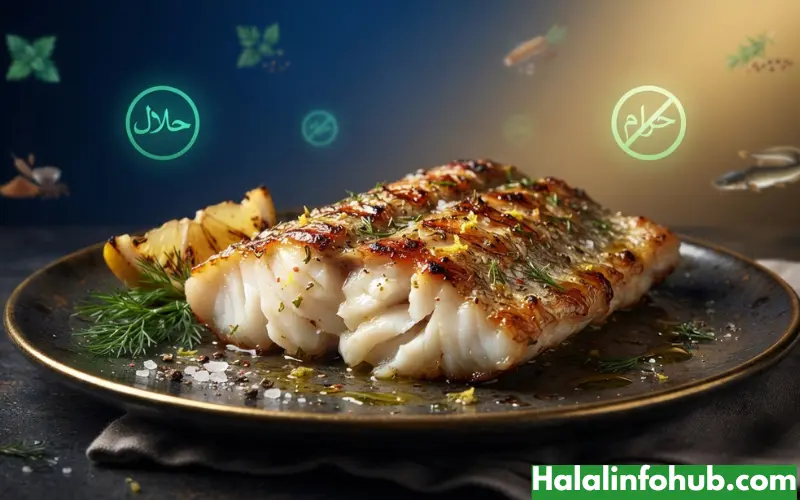
Fried catfish is one of the most popular seafood meals in the United States, especially in Southern restaurants. While the catfish itself is generally halal, the finished meal may not always be.
Several factors can affect its halal status, including:
- The batter or breading used
- Marinades and seasonings
- Cooking oil
- Shared fryers with pork or non-halal meat
- Alcohol-based ingredients in sauces
If you’re eating at a restaurant, it’s worth asking how the catfish is prepared before ordering.
Is Farm-Raised Catfish Halal?
Yes.
Farm-raised catfish is generally considered halal because the halal ruling is based on the fish itself, not where it is raised.
Whether the fish comes from:
- Fish farms
- Freshwater ponds
- Commercial aquaculture
- Private fisheries
It is generally halal.
Is Wild Catfish Halal?
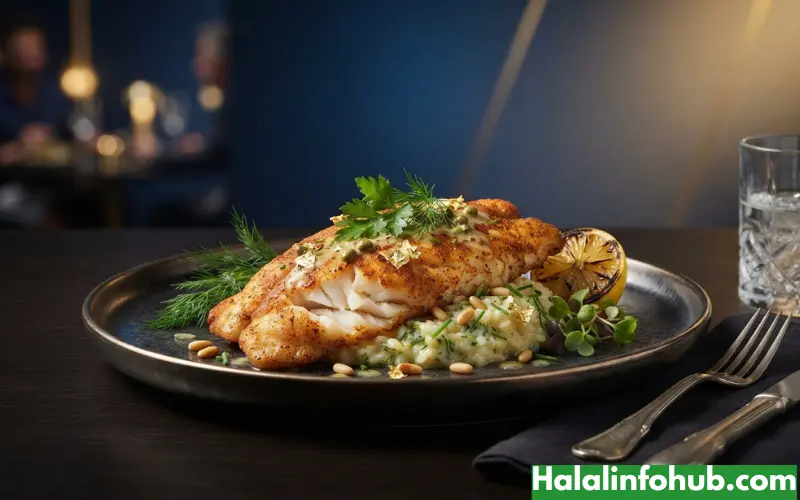
Yes.
Wild catfish is also generally considered halal.
The source of the fish does not change its basic halal ruling.
Can Muslims Eat Frozen Catfish?
Most frozen plain catfish fillets are halal-friendly.
However, always check the packaging.
Some frozen seafood products include:
- Breading
- Seasoning mixes
- Butter sauces
- Marinades
- Artificial flavours
These products deserve a closer look before purchasing.
Common Ingredients to Check
The fish itself usually isn’t the issue.
Extra ingredients may include:
- Natural flavours
- Wine vinegar
- Alcohol-based flavourings
- Emulsifiers
- Modified food starch
- Worcestershire sauce
- Butter flavouring
Most plain products don’t contain these ingredients, but seasoned and ready-to-cook varieties sometimes do.
Is Restaurant Catfish Halal?
Restaurant catfish require more caution than supermarket fish.
Even if the catfish itself is halal, consider asking:
- Is it cooked in a shared fryer with bacon or pork products?
- Does the batter contain alcohol or non-halal ingredients?
- Are the sauces halal-friendly?
- Is there a separate preparation area?
These questions are especially important at seafood restaurants that serve a wide range of dishes.
Popular Catfish Products in the USA & UK
Muslim shoppers often buy catfish from stores such as:
United States
- Walmart
- Costco
- Kroger
- Publix
- Aldi
- Whole Foods
- Sam’s Club
United Kingdom
- Tesco
- Asda
- Morrisons
- Sainsbury’s
- Aldi
- Lidl
- Iceland
Plain catfish fillets sold by these retailers are generally halal-friendly, while seasoned or breaded products should always be checked individually.
USA vs UK Comparison
| Product | USA | UK |
| Fresh Catfish | ✅ Generally Halal | ✅ Generally Halal |
| Frozen Plain Fillets | ✅ Generally Halal | ✅ Generally Halal |
| Breaded Catfish | ⚠ Check Ingredients | ⚠ Check Ingredients |
| Fried Restaurant Catfish | ⚠ Ask Before Ordering | ⚠ Ask Before Ordering |
| Halal Certification | Rare | Rare |
Halal Buying Checklist
Before buying catfish, ask yourself:
Is it fresh or plain frozen?
Is the ingredient list simple?
Does it contain only catfish?
Are there any alcohol-based flavourings?
Is it breaded or heavily seasoned?
Is the restaurant using a shared fryer?
If you’re unsure, choosing plain catfish and preparing it at home is often the easiest halal-friendly option.
Halal Decision Matrix
| Product | Halal Status |
| Fresh Catfish | ✅ Generally Halal |
| Wild Catfish | ✅ Generally Halal |
| Farm-Raised Catfish | ✅ Generally Halal |
| Frozen Plain Catfish | ✅ Generally Halal |
| Breaded Catfish | ⚠ Check Ingredients |
| Fried Restaurant Catfish | ⚠ Ask About Preparation |
| Catfish with Alcohol-Based Sauce | ❌ Avoid |
Explore More Halal Guides
FAQs
Is catfish halal?
Yes. Catfish is generally considered halal because it is a fish.
Is catfish haram?
Fresh catfish is generally not considered haram.
Can Muslims eat catfish?
Yes. Most Muslims can eat catfish, although processed products should be checked for additional ingredients.
Is fried catfish halal?
It depends on the batter, cooking oil, sauces, and whether it is prepared alongside non-halal foods.
Is frozen catfish halal?
Plain frozen catfish is generally halal-friendly.
Is breaded catfish halal?
Check the ingredient list because breading may contain additional ingredients.
Is farm-raised catfish halal?
Yes. Farm-raised catfish is generally considered halal.
Is wild catfish halal?
Yes.
Does catfish need halal slaughter?
No. Fish do not require halal slaughter in the same way as land animals.
Is catfish halal according to Hanafi?
Generally yes, because it is considered a fish.
Is catfish halal according to Shafi’i?
Yes.
Is catfish halal according to Maliki?
Yes.
Is catfish halal according to Hanbali?
Yes.
Is catfish halal according to Shia?
The Ja’fari school has specific rulings regarding fish and scales. Followers should consult their marja’ regarding catfish.
Conclusion
So, is catfish halal? For most Muslims, the answer is yes. Fresh, wild, farm-raised, and plain frozen catfish are generally considered halal because catfish is a fish and does not require halal slaughter.
The main area where caution is needed is processed or restaurant-prepared catfish. Breading, marinades, sauces, and shared fryers can introduce ingredients or preparation methods that may not be halal-friendly. Reading labels and asking questions when dining out can help you make informed choices.
Fresh and plain catfish are generally halal, while breaded, flavoured, or restaurant-prepared catfish should be checked carefully before eating.