
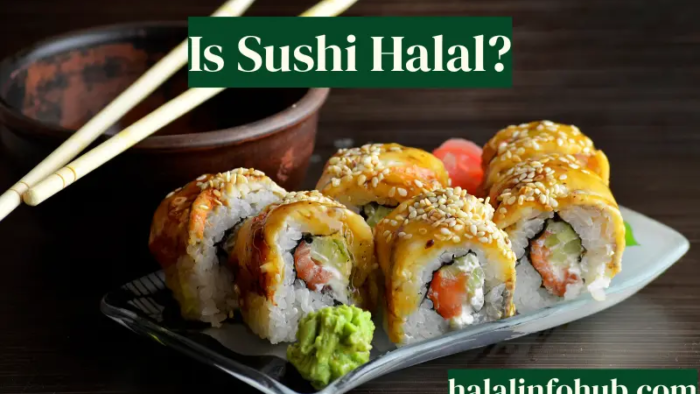
Sushi can be Halal or Haram depending on its ingredients, sauces, and preparation method.
Simple sushi made with seafood and no alcohol is usually Halal, but many restaurant options are not suitable for Muslims.
Sushi has become one of the most popular foods in the world. What started as a traditional Japanese dish is now widely available in countries like the United States and the United Kingdom. From supermarkets to luxury restaurants, sushi is everywhere.
People enjoy sushi because it is fresh, visually appealing, and often considered a healthy meal. It includes ingredients like rice, fish, vegetables, and seaweed, which makes it look simple at first glance.
However, for Muslims, food is not just about taste or presentation. It must also follow Halal dietary rules. This means every ingredient and every step in the preparation process must be permissible according to Islamic guidelines.
This is why many Muslims ask:
Is sushi Halal?
The answer is not a simple yes or no. Sushi is a combination of many ingredients, and its Halal status depends on what is used and how it is prepared. Some sushi is completely Halal, some is clearly Haram, and some falls into a doubtful category.
In this complete guide, you will learn everything you need to know about sushi, including hidden ingredients, common mistakes, and how to safely eat sushi in the USA and UK.
What is Sushi?
Sushi is a Japanese dish that combines vinegared rice with different ingredients such as seafood, vegetables, and sometimes meat.
Many people think sushi is only about raw fish, but that is not correct. The main element of sushi is the rice, which is seasoned with vinegar, sugar, and salt.
Main Ingredients in Sushi
- Sushi rice (vinegar-seasoned)
- Raw or cooked fish
- Seaweed (nori)
- Vegetables like cucumber and avocado
- Sauces and toppings
Each of these ingredients plays a role in determining whether sushi is Halal or not.
Types of Sushi
Different types of sushi have different Halal considerations.
Nigiri
Nigiri is a small ball of rice topped with a slice of fish.
It is usually Halal if:
- The fish is Halal
- No alcohol is used
Because it is simple, it is often one of the safest choices.
Maki Rolls
Maki rolls are wrapped in seaweed and contain rice and fillings.
The Halal status depends on the filling. Vegetable and fish options are usually safe, while rolls with meat or imitation crab are risky.
Sashimi
Sashimi is raw fish without rice.
This is one of the safest sushi options because it has very few ingredients. If the fish is Halal, then sashimi is Halal.
Uramaki (Inside-Out Rolls)
These rolls have rice on the outside and multiple ingredients inside.
They often include sauces and processed items, which increases the risk of non-Halal ingredients.
What Makes Food Halal?
Halal means “permissible” in Islam. Food must meet specific conditions to be considered Halal.
Basic Rules of Halal Food
- No pork or pork-based products
- No alcohol or intoxicants
- Meat must be slaughtered according to Islamic guidelines
- No cross-contamination with Haram food
Seafood is generally considered Halal, which is why many sushi options can be permissible.
Is Sushi Halal?
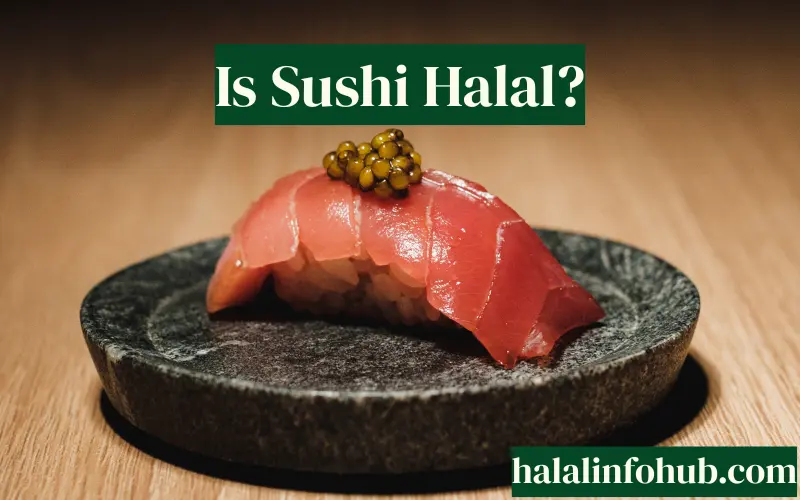
Clear Answer
Sushi is sometimes Halal and sometimes not.
Its Halal status depends on:
- Ingredients
- Sauces
- Preparation methods
When Sushi is Halal
Sushi is Halal when it contains only permissible ingredients and is prepared in a clean and safe environment.
Examples of Halal Sushi
- Salmon nigiri
- Tuna sashimi
- Avocado rolls
- Cucumber rolls
- Plain shrimp sushi
These are simple and usually safe options.
When Sushi is Haram
Sushi becomes Haram when it includes forbidden ingredients or is prepared in a non-Halal way.
Alcohol in Sushi (Mirin)
Mirin is a type of rice wine used in Japanese cooking.
It is commonly added to:
- Sushi rice
- Sauces
- Marinades
Even small amounts of alcohol make food Haram. This is one of the biggest reasons why sushi is not always Halal in the USA and UK.
Non-Halal Meat
Some sushi includes meat such as:
- Chicken
- Beef
- Duck
If this meat is not Halal-certified, it is not permissible for Muslims.
Imitation Crab (Surimi)
Imitation crab is widely used in sushi rolls.
It may contain:
- Processed fish
- Artificial flavoring
- Non-Halal additives
Because of this, it is often considered doubtful or Haram.
Hidden Ingredients and Additives
Some sushi ingredients may contain:
- Gelatin
- Emulsifiers
- Flavor enhancers
These are not always Halal and can make the food questionable.
Cross-Contamination
Even if the ingredients are Halal, the food may become doubtful due to cross-contamination.
This happens when:
- The same knives are used for pork and fish
- The same surfaces are shared
- Food is prepared in a mixed environment
Is Sushi Halal in the USA?
In the United States, most sushi is not Halal-certified.
Reasons
- Use of alcohol (mirin) is common
- Restaurants do not follow Halal standards
- Shared kitchen equipment increases risk
However, some Halal sushi restaurants do exist in major cities.
Is Sushi Halal in the UK?
The situation in the UK is very similar.
Most sushi restaurants:
- Use alcohol-based ingredients
- Do not provide Halal meat
- Do not follow strict Halal preparation
Muslims should always check before eating.
Are Sushi Sauces Halal?
Sauces are one of the biggest hidden risks.
Common Sushi Sauces
| Sauce | Halal Status |
| Soy sauce | Usually Halal |
| Teriyaki sauce | May contain alcohol |
| Eel sauce | Often contains mirin |
| Spicy mayo | Depends on ingredients |
Always ask or check before consuming.
Safe vs Unsafe Sushi
| Sushi Type | Halal Status | Reason |
| Salmon sushi | ✅ Halal | Pure seafood |
| Tuna sushi | ✅ Halal | Safe |
| Veg rolls | ✅ Halal | No meat |
| Shrimp sushi | ⚠️ Check | Sauce risk |
| Crab sticks | ❌ Doubtful | Processed |
| Chicken sushi | ❌ Haram | Non-Halal meat |
| Sauced rolls | ❌ Risky | Alcohol possible |
How to Eat Sushi Safely
If you want to eat sushi without worry, follow these steps.
Ask Questions
Always ask:
- Do you use mirin or alcohol?
- Is your meat Halal-certified?
- Are utensils shared?
Choose Simple Sushi
Simple options are safer because they have fewer ingredients.
Avoid Fancy Rolls
Complex rolls often include hidden ingredients and sauces.
Look for Halal Certification
The safest option is always a Halal-certified restaurant.
Best Halal Sushi Choices
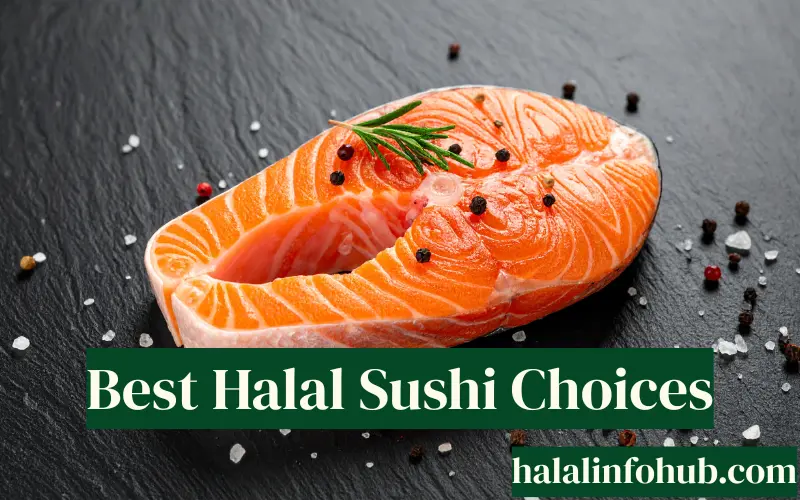
If you want to stay safe, choose:
- Salmon sashimi
- Tuna nigiri
- Avocado rolls
- Cucumber rolls
These options are widely considered safe.
Common Mistakes Muslims Make
Many Muslims assume sushi is always Halal, which is not true.
Mistakes
- Thinking all seafood sushi is safe
- Ignoring sauces
- Not checking imitation crab
- Not asking questions
Avoiding these mistakes is very important.
Practical Tips for Muslims in USA & UK
If you live in the USA or UK, follow these tips:
- Prefer Halal-certified restaurants
- Avoid unknown sushi chains
- Check ingredients online before visiting
- Stick to simple menu items
- When unsure, avoid the food
See Also: Is Taco Bell Halal in 2026? Full Guide for Muslims (What You Must Know Before Eating)
FAQs
Is sushi always Halal?
No, it depends on ingredients and preparation.
Is raw fish Halal?
Yes, most seafood is Halal.
Is sushi rice Halal?
Not always, because it may contain alcohol.
Can Muslims eat sushi in restaurants?
Yes, but only after checking ingredients.
Is imitation crab Halal?
It is usually doubtful or Haram.
Conclusion
Sushi can be Halal, but it is not always safe for Muslims. Its Halal status depends on ingredients, sauces, and preparation methods.
Simple sushi made with seafood and no alcohol is usually permissible. However, many sushi options in the USA and UK include non-Halal elements such as mirin, imitation crab, and cross-contamination.
For Muslims, the safest approach is to choose simple options, ask questions, and prefer Halal-certified restaurants whenever possible.
When in doubt, it is always better to avoid and choose clearly Halal food.